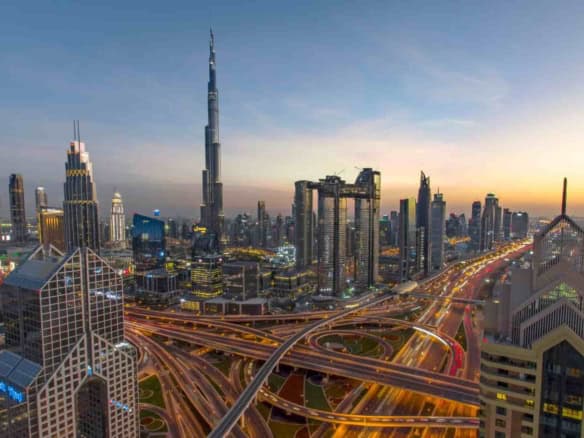
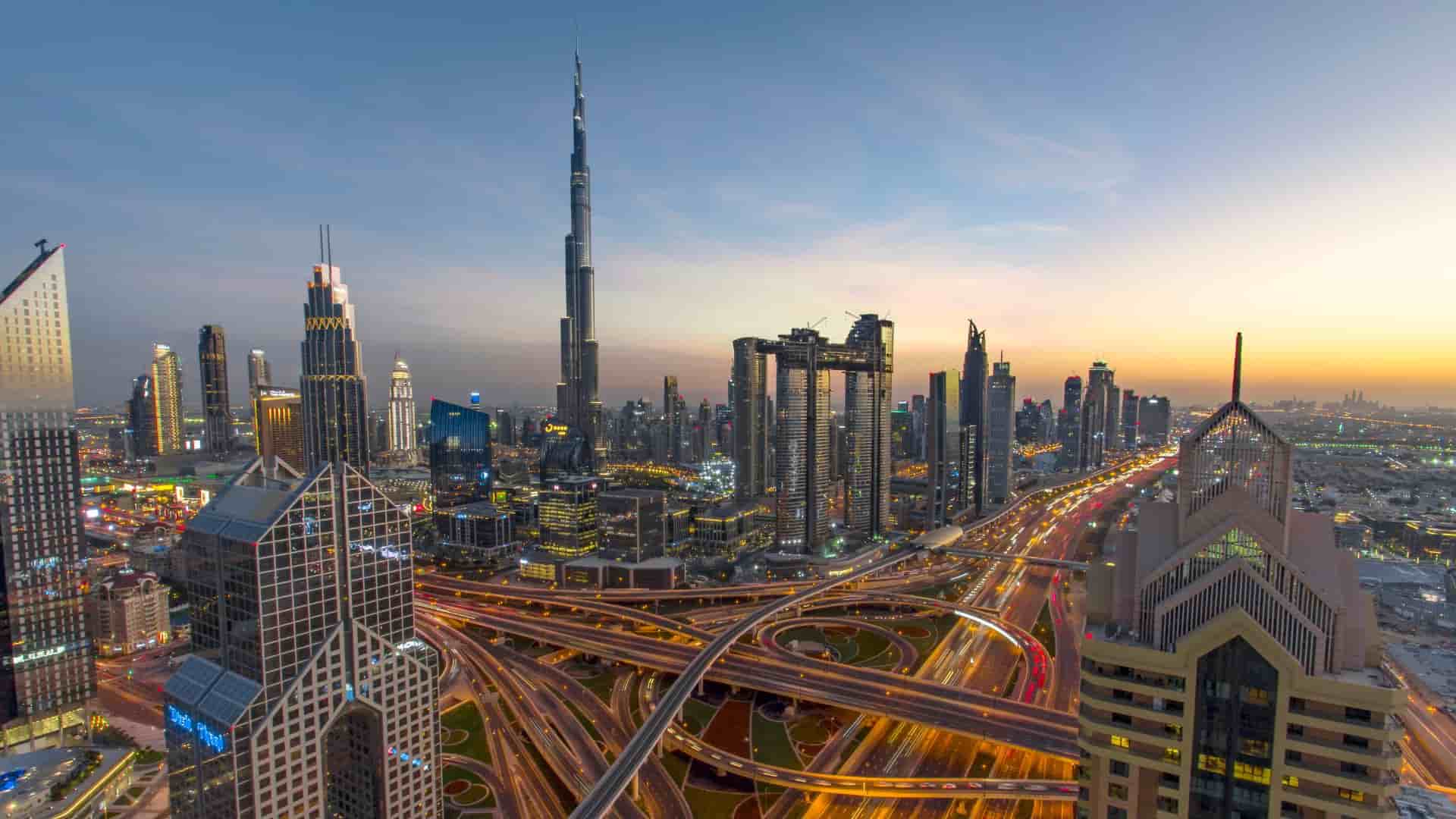
DUBAI — Dubai’s residential real estate sector is demonstrating sustained resilience, with developers largely maintaining project trajectories despite ongoing supply-chain constraints and broader macroeconomic uncertainties. Industry analysts project steady housing demand over the next five years, anchored by robust population growth, economic diversification, and continuous inflows of capital, businesses, and new residents.
According to data from Cushman & Wakefield Core, Dubai’s residential delivery pipeline remains heavily weighted toward the near term. Approximately 49,700 homes are slated for completion in 2026. This figure comprises over 20,400 units already handed over year-to-date, with an additional 29,300 units expected before the end of the year. Annual deliveries are projected to increase to roughly 60,000 units in 2027.
Apartments continue to dominate the emirate’s development pipeline, representing approximately 80 percent of upcoming supply, while villas and townhouses account for the remaining 20 percent. However, analysts caution that forecasting accuracy diminishes significantly beyond 2027. Projects that have not yet commenced construction or remain in early development stages are highly susceptible to delays and shifting market dynamics, which could alter eventual realization rates.
Underpinning this supply is Dubai’s rapidly expanding demographic base. Haider Tuaima, Managing Director and Head of Real Estate Research at ValuStrat, noted that the emirate’s official population reached an estimated 4.25 million in 2024, with expatriates constituting approximately 93 percent of residents.
Currently, Dubai’s total residential housing stock stands at just under 900,000 units, significantly outpacing Abu Dhabi city’s estimated 323,000 units. Looking toward the end of the decade, Dubai is projected to add approximately 322,000 new residential units by 2030, driven by extensive off-plan sales activity and a high volume of active construction. In contrast, Abu Dhabi’s projected completions over the same period stand at 37,700 homes, positioning Dubai to deliver the highest number of housing units in the UAE.
Despite the optimistic trajectory, industry experts emphasize the need for measured expectations regarding long-term projections. Prathyusha Gurrapu, Head of Research and Consultancy at Cushman & Wakefield Core, highlighted that forecasting residential supply through 2030 remains complex due to persistent supply-chain pressures and macroeconomic volatility.
Tuaima echoed this sentiment, advising that scheduled completion figures should be interpreted with caution. He noted that inevitable construction delays and project rescheduling are likely to result in downward revisions to these projections as the decade progresses. Furthermore, market performance is expected to diverge across different segments, varying by location, product typology, pricing tiers, and localized supply levels.
Sources and Further Reading
- Khaleej Times: Dubai housing pipeline stays strong through 2030 despite headwinds – https://www.khaleejtimes.com/business-technology-review/dubai-housing-pipeline-stays-strong-through-2030-despite-headwinds (Primary source for all data, figures, and expert commentary cited in this article).