If you’re serious about buying property in Abu Dhabi in 2026 — whether as an end user or investor — one of the first decisions you’ll face isn’t location or budget.
It’s “ownership type”.
Specifically:
Freehold vs Leasehold (Usufruct)
This is one of the most misunderstood areas of UAE real estate, especially among international buyers. And yet, it has massive implications for:
- Long-term control
- Capital appreciation
- Financing eligibility
- Exit liquidity
- Inheritance rights
In this deep-dive guide, we’ll break down the legal reality in Abu Dhabi today — with real project examples, investor implications, and practical guidance you can actually use.
If you’d rather discuss ownership structures with an advisor directly, you can always reach out on WhatsApp: https://wa.me/97126667724
Why Abu Dhabi Has Different Ownership Types
Unlike some global markets where property ownership is standardized, Abu Dhabi historically followed a controlled ownership model designed to:
- Protect long-term urban planning
- Regulate speculative demand
- Gradually open the market to international capital
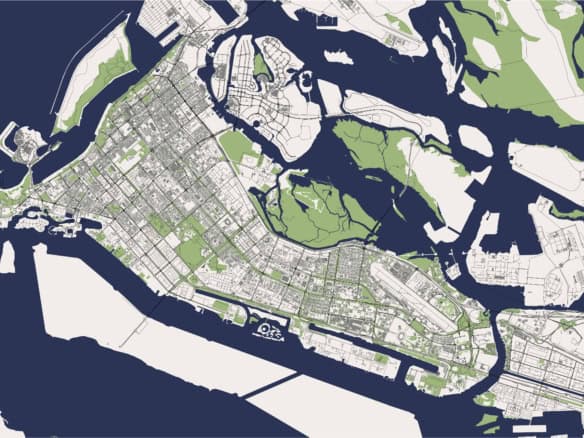
Over the last 15+ years, the government has steadily liberalized ownership rules — especially to attract foreign investment while maintaining regulatory stability. According to the Abu Dhabi Department of Municipalities and Transport (DMT), designated investment zones were introduced to enable foreign ownership while preserving planning integrity (Source: https://www.dmt.gov.ae).
Today, Abu Dhabi offers a hybrid model:
- Freehold ownership in designated investment zones
- Leasehold / usufruct rights in certain areas and legacy projects
Understanding which applies to you is critical before you shortlist a property.
What Is Freehold Ownership in Abu Dhabi?
Freehold ownership means exactly what it sounds like:
You own the property — and the share of land it sits on — outright.
What You Actually Own
With freehold property in Abu Dhabi, you receive:
- Full title deed issued by the Department of Municipalities and Transport (DMT)
- Perpetual ownership rights
- Ability to sell anytime
- Right to lease the property without restrictions
- Full inheritance rights
This is the most complete form of ownership available to foreign buyers in the UAE. The DMT confirms that freehold title deeds provide perpetual ownership rights registered with the Abu Dhabi real estate registry (Source: https://www.dmt.gov.ae).
Freehold Zones Open to Foreign Buyers
If you want a broader overview of how ownership works across the emirate, explore our Abu Dhabi investment hub:
https://approperties.ae/abu-dhabi
Foreign nationals can purchase freehold property in designated investment zones across Abu Dhabi. The list of approved zones has expanded significantly since regulatory updates designed to attract global capital (Source: https://u.ae and https://www.dmt.gov.ae).
Some of the most active include:
Al Reem Island (Freehold)
A high-density urban investment zone known for strong rental demand and skyline views.
Notable projects currently available:
- Reem Hills (freehold villas and townhouses)
- Pixel by IMKAN (ready apartments)
- The Bridges (affordable entry-level units)
- One Reem Island (premium waterfront)
Why investors like it:
- High tenant demand from professionals
- Strong mid-market yields
- Close proximity to downtown Abu Dhabi
Yas Island (Freehold)
One of the most dynamic master-planned communities in the emirate.
Active projects (off-plan + ready):
- Yas Acres (villas and townhouses)
- Noya & Noya Viva (popular townhouse communities)
- Yas Golf Collection (investor-friendly apartments)
- Gardenia Bay (new waterfront development)
Why investors choose Yas:
- Lifestyle-driven demand
- Strong resale liquidity
- Family-oriented communities
Saadiyat Island (Freehold in select zones)
Abu Dhabi’s ultra-prime cultural district and luxury beachfront destination.
Key projects on the market:
- Saadiyat Lagoons (nature-integrated villas)
- Mamsha Al Saadiyat (luxury beachfront apartments)
- Louvre Residences (high-end branded living)
- Saadiyat Beach Villas (ready premium stock)
Best suited for:
- Long-term wealth preservation
- High-net-worth buyers
- Capital appreciation focus
What Is Leasehold (Usufruct) Ownership?
Leasehold — often referred to as usufruct in Abu Dhabi — is a long-term usage right rather than full ownership.
Typically structured as:
- 50–99 year renewable rights
- Full usage of the property during the term
- Ability to sell the remaining lease period
This model exists in older developments and certain government-backed zones.
What You Can and Cannot Do with Leasehold
What You CAN Do
- Live in the property
- Rent it out
- Sell remaining lease duration
- Renovate interiors (within guidelines)
Limitations Compared to Freehold
- No perpetual land ownership
- Slightly weaker inheritance structure
- Lower resale liquidity in some cases
- More limited bank financing options
That said, leasehold properties often come at a lower entry price — which can appeal to yield-focused buyers.
Real Leasehold Examples in Abu Dhabi
While the market has shifted strongly toward freehold, some legacy and niche opportunities still exist.
Older Downtown Abu Dhabi Units
Certain buildings in:
- Tourist Club Area (Al Zahiyah)
- Electra Street zones
- Hamdan Street areas
Offer long-term usage structures historically aligned with usufruct models.
These may appeal to:
- Cash buyers
- Yield hunters
- Buyers prioritizing location over ownership tenure
However, due diligence is critical here.
Financing Differences: Freehold vs Leasehold
This is one of the most practical decision drivers.
Freehold Financing
Most UAE banks offer:
Mortgage frameworks in the UAE are regulated by the Central Bank of the UAE, which sets lending caps and borrower eligibility rules (Source: https://www.centralbank.ae).
- Up to 80% LTV for residents
- 50–60% LTV for non-residents
- Competitive mortgage rates
Banks are more comfortable with freehold because:
- Strong collateral structure
- Clear title deed
- Better resale market
Leasehold Financing
More restrictive due to:
- Finite ownership tenure
- Collateral depreciation over time
- Limited buyer pool
Typical realities:
- Lower LTV ratios
- Stricter eligibility checks
- Higher down payment expectations
This alone pushes many investors toward freehold.
Appreciation Potential: Which Performs Better?
Historically in Abu Dhabi, freehold properties outperform leasehold in capital appreciation. Market research from global consultancies like Knight Frank and CBRE consistently shows stronger long-term value retention in freehold master-planned communities (Sources: https://www.knightfrank.com/research, https://www.cbre.ae/insights).
Why?
1. Global Buyer Demand
International investors overwhelmingly prefer freehold because it aligns with global ownership norms. Knight Frank’s wealth migration and global buyer reports highlight strong foreign demand for fully owned assets in politically stable markets like the UAE (Source: https://www.knightfrank.com/research).
2. Stronger Exit Liquidity
More buyers = tighter spreads = better resale values.
3. Institutional Confidence
Developers, REITs, and funds prefer freehold stock for long-term holds.
Rental Yields: A Surprising Reality
Interestingly, leasehold properties can sometimes show:
Higher percentage yields
But there’s nuance.
Example scenario:
- Leasehold unit: lower purchase price, similar rent
- Freehold unit: higher price, stronger appreciation
So the decision becomes:
Cash flow vs capital growth
Serious investors typically blend both across portfolios.
Inheritance and Long-Term Wealth Transfer
This is where freehold clearly wins.
With freehold property:
- Assets can be passed across generations
- Structured via UAE wills
- Recognized globally as owned real estate
Leasehold, while transferable, introduces complexity depending on remaining tenure.
For family offices and legacy investors, freehold is usually the default choice.
Developer Preference: Where the Market Is Moving
Another strong signal comes from developers themselves. Reports from CBRE and JLL show a growing share of new launches in Abu Dhabi targeting international investors through freehold inventory (Sources: https://www.cbre.ae, https://www.jll-mena.com).
In the last decade, major Abu Dhabi developers have increasingly launched freehold inventory targeted at international buyers.
Leading players include:
- Aldar Properties (Yas, Saadiyat, Reem)
- IMKAN (Reem Island communities)
- Bloom Holding (Saadiyat and Zayed City expansions)
This shift reflects:
- Global capital inflows
- UAE residency-linked investment demand
- Wealth migration trends
Residency Benefits (A Major Consideration)
Property ownership in Abu Dhabi can support UAE residency pathways depending on investment value. The UAE government has introduced long-term residency options, including Golden Visas linked to property investment thresholds (Source: https://u.ae).
Freehold properties are typically more aligned with:
- Investor visas
- Long-term residency frameworks
- Golden Visa thresholds (subject to eligibility)
Leasehold properties may still qualify depending on valuation and structure, but freehold tends to be more straightforward for visa-linked planning.
Risk Analysis: Which Is Safer in 2026?
From a pure risk standpoint, freehold offers:
- Stronger legal clarity
- Better global comparability
- More predictable exit pathways
Leasehold risks are not inherently high — but they are structure-dependent.
This is why professional advisory matters before committing.
If you want a quick ownership structure breakdown tailored to your budget and goals, message here: https://wa.me/97126667724
Who Should Buy Freehold?
Freehold is ideal if you are:
- An international investor
- Planning long-term holding
- Building generational wealth
- Seeking residency alignment
- Prioritizing capital appreciation
It’s also the default recommendation for first-time overseas buyers entering the UAE market.
Who Might Consider Leasehold?
Leasehold can make sense if you:
- Want lower upfront costs
- Are yield-focused
- Are buying primarily for use (not legacy)
- Understand tenure implications clearly
But it requires deeper due diligence.
The 2026 Reality: Where Smart Money Is Going
Market momentum in Abu Dhabi today strongly favors:
Recent reports from Savills and Knight Frank highlight sustained demand for prime and master-planned communities driven by wealth migration and infrastructure investment (Sources: https://www.savills.com/research, https://www.knightfrank.com/research).
Freehold in master-planned communities
Especially in:
- Yas Island family zones
- Saadiyat luxury corridors
- Reem Island investment clusters
These areas combine:
- Lifestyle infrastructure
- International demand
- Developer backing
- Long-term appreciation narratives
Which explains why both end users and global investors continue allocating capital here.
Final Verdict: Freehold vs Leasehold in Abu Dhabi
If we simplify everything into one honest takeaway:
- Freehold = control, flexibility, long-term strength
- Leasehold = lower entry, situational value
For most modern buyers entering Abu Dhabi in 2026, freehold has become the dominant and preferred structure — especially in newer developments.
But the right choice always depends on:
- Budget
- Time horizon
- Residency goals
- Risk tolerance
And that’s where tailored guidance makes all the difference.
Thinking of Buying in Abu Dhabi?
You can also browse live listings and area insights on our main Abu Dhabi property hub:
https://approperties.ae/abu-dhabi
Whether you’re exploring off-plan launches on Yas Island, waterfront apartments on Al Reem, or ultra-prime villas on Saadiyat, understanding ownership structure is step one.
If you’d like a curated list of:
- Freehold projects matching your budget
- High-yield investment zones
- Residency-aligned properties
You can speak directly with an advisor here:
https://wa.me/97126667724
No pressure — just clear, honest guidance tailored to your goals.