
If you’ve been living in Abu Dhabi for a few years (or even just arrived), chances are you’ve had this debate at least once:
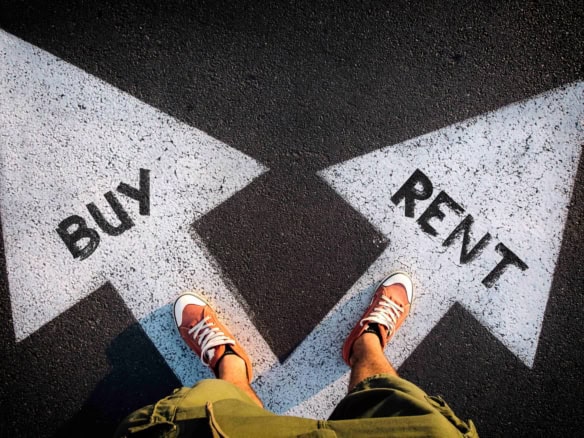
“Should I keep renting… or is it finally time to buy?”
In 2026, this question is more relevant than ever. Rents are rising, property values are steadily climbing, and global investors are increasingly looking at the UAE as a safe, stable wealth-building destination.
But here’s the honest truth:
There is no one-size-fits-all answer.
The right choice depends on your income, residency plans, lifestyle goals, and long-term financial mindset.
This blog is your real-world, numbers-backed, Abu Dhabi–specific reality check — with facts from trusted market reports, practical math, and grounded insights you won’t find in generic real estate articles.
The Abu Dhabi Property Landscape in 2026
Let’s start with the macro picture — because context matters.
Over the past few years, the UAE has quietly transformed into one of the most attractive real estate markets globally.
Here’s what credible data shows:
- Knight Frank highlights sustained demand from international buyers relocating wealth into safe jurisdictions.
- The UAE consistently ranks among the top countries globally for high-net-worth migration, according to Henley & Partners Wealth Migration Reports
- Continued infrastructure investment aligned with long-term national diversification strategies (Source: UAE Government Portal – https://u.ae).
Unlike speculative property booms seen elsewhere, the UAE market is supported by:
- Strong sovereign reserves
- Long-term urban planning
- Residency-linked property incentives
- Tax-efficient ownership structures
This foundation directly impacts the rent vs buy equation.
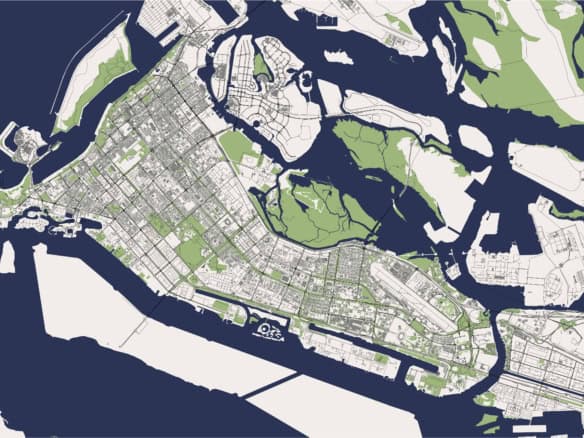
If you’re exploring how different parts of the capital compare, start with this Abu Dhabi city overview:
👉 https://approperties.ae/area-guides/abu-dhabi-emirate/abu-dhabi-city/
Renting in Abu Dhabi: The Real Pros and Cons
Let’s start with renting — because for many expats, it’s the default.
Why Renting Still Makes Sense for Some People
1. Maximum flexibility
If you’re unsure about staying 3–5 years, renting keeps you mobile.
2. Lower upfront cost
You avoid down payments, registration fees, and mortgage costs.
3. No maintenance responsibility
Major structural repairs are typically landlord responsibility under UAE tenancy norms.
4. Easier job mobility
Helpful if you’re in industries with frequent relocations or regional transfers.
The Hidden Downsides of Renting (That People Ignore)
This is where reality starts shifting.
1. Rising rents across the UAE
Population growth and post-pandemic demand have pushed rental values upward in prime districts (Source: CBRE UAE Market Reports — https://www.cbre.ae/insights/reports).
2. Zero equity building
Every dirham paid in rent is a lifestyle cost — not an investment.
3. Annual uncertainty
Lease renewals can bring rent increases or relocation stress, especially in high-demand areas.
4. Lifestyle limitations
Renovations, personalization, and long-term stability remain restricted.
If you’re paying AED 90,000–150,000 per year in rent, it’s worth asking:
What if this same money was building ownership instead?
Buying in Abu Dhabi: The Modern Reality
A decade ago, buying property in the UAE felt complicated.
In 2026, it’s dramatically different.
Escrow protections, stricter developer regulation, and improved transparency have significantly increased buyer confidence (Source: Abu Dhabi DMT regulatory framework — https://www.dmt.gov.ae).
The Strongest Advantages of Buying in 2026
1. Building real equity
Instead of paying rent, you’re gradually owning a physical asset.
2. Long-term cost control
Mortgage payments remain relatively predictable compared to fluctuating rents.
3. Residency-linked benefits
Property ownership can support long-term residency stability, including investor visas tied to property value thresholds (Source: UAE ICP — https://icp.gov.ae).
4. Wealth preservation in a tax-efficient environment
The UAE remains one of the few global markets with:
- No annual property tax
- No capital gains tax for individuals
- No income tax on rental earnings (subject to regulatory evolution)
(Source: UAE Government Tax Overview — https://u.ae/en/information-and-services/finance-and-investment/taxation)
5. Global investor confidence
International wealth migration trends continue favoring the UAE as a stable jurisdiction (Henley & Partners, 2024–2025 editions).
Let’s Talk Numbers (Realistic 2026 Example)
Let’s run a simplified scenario.
Scenario: Mid-income professional in Abu Dhabi
- Monthly income: AED 25,000
- Current rent: AED 110,000/year
Renting for 5 years
Total rent paid:
AED 550,000
Equity built:
Zero
Buying a AED 1.1M property
- Down payment (20% typical UAE mortgage threshold): AED 220,000 (Source: Central Bank UAE mortgage caps — https://www.centralbank.ae)
- Monthly mortgage: Often comparable to mid-tier rents depending on interest rates and tenure
After 5 years:
- Significant principal paid off
- Asset ownership retained
- Potential appreciation upside
This math is why many mid-income residents are transitioning from renting to ownership.
Property Appreciation: What the Data Suggests
This is where Abu Dhabi stands out globally.
While some global markets face stagnation due to high interest rates and economic uncertainty, the UAE continues benefiting from:
- Population growth
- Safe-haven capital inflows
- Infrastructure expansion
- Regulatory stability
Knight Frank and Savills have repeatedly identified the UAE among the most resilient prime property markets globally in the post-pandemic cycle (Sources: https://www.knightfrank.com/research, https://www.savills.com/research).
Importantly, Abu Dhabi’s growth has historically been more stable and less volatile than speculative boom-bust markets — a key consideration for long-term investors.
Lifestyle Considerations (Often Overlooked)
Rent vs buy is not purely financial — it’s deeply emotional and lifestyle-driven.
Buying gives you:
- Psychological stability
- Family roots
- Freedom to customize your home
- Long-term planning clarity
If you’re exploring popular lifestyle hubs, these guides are helpful:
- Al Reem Island living guide: https://approperties.ae/area-guides/abu-dhabi-emirate/abu-dhabi-city/al-reem-island/
- Yas Island lifestyle overview: https://approperties.ae/area-guides/abu-dhabi-emirate/abu-dhabi-city/yas-island/
Renting gives you:
- Flexibility
- Lower commitment
- Short-term adaptability
The right decision depends on which phase of life you’re in.
When Renting Still Wins (Yes, It Happens)
Buying isn’t always the smarter move.
Renting may be better if:
- You plan to leave within 2–3 years
- Your income is highly variable
- You prefer liquidity over assets
- You’re still exploring neighborhoods
If you’re still discovering the emirate, this high-level Abu Dhabi real estate overview is a great starting point:
👉 https://approperties.ae/area-guides/abu-dhabi-emirate/
When Buying Becomes the Smarter Move
Ownership tends to make sense when:
- You plan to stay 5+ years
- Your income is stable
- You want long-term wealth creation
- You’re tired of rising rents
- You value stability and control
This is why many long-term UAE residents eventually pivot from renting to owning.
The UAE Advantage: Why This Debate Is Different Here
Rent vs buy conversations in Europe or North America often revolve around heavy taxes and market uncertainty.
The UAE flips that equation.
Here’s why:
- No recurring property taxes
- Strong infrastructure investment
- Pro-business governance
- High personal safety rankings (Numbeo Global Safety Index — https://www.numbeo.com/crime/rankings_by_country.jsp)
- World-class healthcare and education ecosystems
These factors make ownership structurally more attractive than many global cities.
The Emotional Factor No One Talks About
Many homeowners say the biggest shift isn’t financial — it’s psychological.
Owning a home changes how you think about:
- Stability
- Legacy
- Financial planning
- Family security
It transforms housing from a monthly expense into a long-term pillar of wealth.
So… Should You Rent or Buy in 2026?
Here’s the honest answer.
Rent if:
- You need flexibility
- You’re early in your UAE journey
- You may relocate soon
Buy if:
- You’re settled long-term
- You want wealth-building assets
- You’re paying high annual rent
- You value stability and control
There’s no universal right answer — only the right answer for your life stage.
A Practical Way to Decide
If you’re still unsure, ask yourself three simple questions:
- Will I likely stay in the UAE 5+ years?
- Is my income stable enough for a mortgage?
- Am I paying enough rent that ownership could make sense?
If you answered “yes” to two or more, it’s worth exploring buying seriously.
Final Thoughts: The 2026 Reality
Abu Dhabi in 2026 is not the same market it was a decade ago.
It’s more mature, more transparent, and increasingly attractive to global investors seeking safety and stability.
For many residents, the decision is no longer about affordability — it’s about mindset.
Are you thinking short-term… or long-term?
Because in a market backed by strong governance, infrastructure investment, and global investor confidence, ownership is becoming less of a luxury — and more of a strategic financial move.
Want a Personalized Rent vs Buy Analysis?
Every situation is different.
If you’d like a personalized breakdown based on your salary, family size, and long-term plans, you can message our team directly on WhatsApp:
We’ll give you a clear, pressure-free perspective so you can make the smartest decision for your future in Abu Dhabi.