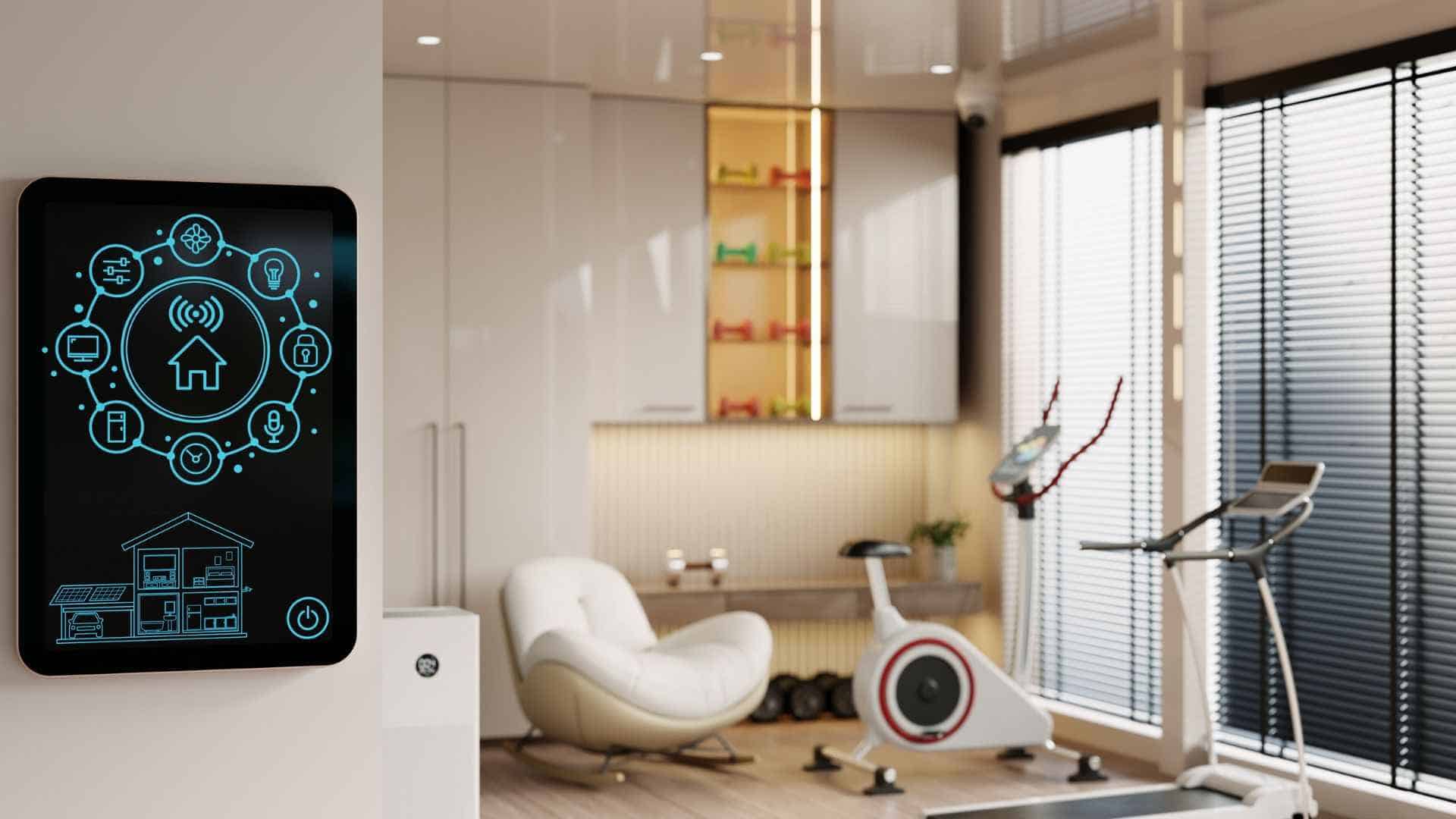
Walk into a property sales centre in Abu Dhabi today, and almost every new development claims to be a “smart home.” Developers use the term to describe everything from a basic smart thermostat to a fully automated, voice-controlled penthouse.
But when you are spending AED 1.5 million on a purchase or paying AED 120,000 in annual rent, you need to know which of these features actually matter.
The concept of abu dhabi smart living is growing rapidly, driven by the emirate’s broader smart city initiatives and a new generation of tenants who expect seamless digital integration. However, the real estate market is currently flooded with marketing hype. Many tech integrated property abu dhabi listings include gadgets that become obsolete in three years, while ignoring the infrastructure that actually saves money and protects the asset.
This guide cuts through the buzzwords. We will evaluate which smart home features deliver measurable ROI, lower utility bills, and higher rental premiums in Abu Dhabi’s top communities, and which ones are simply expensive distractions.
The Abu Dhabi Context: Why Smart Tech Matters Here
To understand which smart features add value, we first need to look at the specific environmental and regulatory realities of the capital.
1. The Cooling Load Reality
In the UAE, air conditioning accounts for roughly 60% to 70% of a residential property’s total electricity consumption during the summer months. A smart home feature that cannot actively reduce this cooling load is missing the primary financial opportunity.
2. Estidama and Regulatory Compliance
The Abu Dhabi Department of Municipalities and Transport (DMT) mandates the Estidama Pearl Rating System for all new buildings. Achieving higher Pearl ratings requires strict energy and water efficiency metrics. Smart lighting, automated shading, and high-efficiency HVAC controls directly contribute to a building achieving its required certification, ensuring long-term regulatory compliance and lower service charges.
3. The ADDC Smart Meter Rollout
The Abu Dhabi Distribution Company (ADDC) has been actively upgrading the emirate’s grid with smart meters. Properties that integrate internally with this smart grid infrastructure can offer residents real-time usage tracking and automated leak detection, features that are highly prized by cost-conscious tenants.
Tier 1: High-ROI Features (The Must-Haves)
These features directly impact the bottom line. They reduce operating costs, prevent expensive damage, and are actively sought after by both buyers and tenants.
Smart HVAC & Energy Management Systems
This is the single most valuable smart home category in the UAE. We are talking about smart thermostats and integrated AC controllers that learn occupancy patterns and adjust compressor usage accordingly.
- The ROI: Smart thermostats can reduce cooling costs by 15% to 20% annually. For a large villa in Yas Acres, this translates to thousands of dirhams saved every summer.
- Tenant Appeal: High. Tenants actively look for properties where they can control the AC remotely before arriving home, ensuring the house is cool without leaving the system running all day.
Smart Leak & Moisture Detectors
Water damage is a massive risk in high-humidity coastal environments. Smart water sensors placed near water heaters, washing machines, and under sinks can detect leaks instantly and automatically shut off the main water supply via a smart valve.
- The ROI: Prevents catastrophic structural damage and mold remediation costs, which can easily exceed AED 50,000 in severe cases.
- Tenant Appeal: Moderate to High. It provides peace of mind, especially for landlords managing properties remotely or tenants traveling frequently.
Integrated Smart Metering & Sub-metering
Properties equipped with internal smart sub-meters allow residents to monitor exactly which appliances are consuming the most power via a smartphone app.
- The ROI: Encourages behavioral changes that lower overall ADDC bills. Buildings with this infrastructure often see lower common area charge disputes.
- Tenant Appeal: High. Transparency in utility billing is a major priority for modern renters.
Tier 2: Moderate ROI / High Tenant Appeal (The Differentiators)
These features do not necessarily pay for themselves in direct utility savings, but they significantly enhance the living experience and allow landlords to command a rental premium.
Smart Security & Access Control
This includes video doorbells, smart locks (keyless entry via smartphone or keypad), and integrated community access apps.
- The ROI: Allows landlords to change access codes instantly between tenants, eliminating the cost of physical lock changes. It also enhances the perceived security of the property.
- Tenant Appeal: Very High. Keyless entry and the ability to see who is at the door from a phone are top priorities for young professionals and families in areas like Al Reem Island.
Automated Shading & Smart Blinds
Motorized blinds that automatically close during the peak heat of the day or adjust based on the sun’s position.
- The ROI: Reduces solar heat gain, directly lowering the workload on the AC system. It also protects interior furnishings from UV fading.
- Tenant Appeal: High. Adds a distinct “premium” feel to the property and enhances privacy without blocking out light entirely.
Tier 3: Low Direct ROI (The Marketing Hype)
These features look great in a showroom but rarely justify a higher purchase price or significant rental premium. They are often the first things to break or become obsolete.
- Smart Appliances (Fridges, Ovens): A fridge that tells you when you are out of milk is a novelty. When it breaks in year seven, the replacement cost is significantly higher than a standard appliance, and it adds zero value to the property’s core structure.
- Voice-Controlled Everything: While controlling lights via voice is convenient, building an entire home around proprietary voice ecosystems often leads to compatibility issues. Tenants prefer physical switches that work reliably.
- Proprietary “Closed” Systems: Some developers install custom, closed-loop smart home panels that control everything. If the developer goes out of business or stops supporting the software, the entire system becomes a useless plastic panel on the wall. Always prioritize open protocols like Matter, Zigbee, or Z-Wave.
Where to Find Tech-Integrated Properties in Abu Dhabi
Developers are increasingly embedding Tier 1 and Tier 2 features into their newest communities. Here is where you can find genuine smart home integration in Abu Dhabi’s P1 areas:
1. Masdar City: The Blueprint for Smart Living
Masdar City was designed from the ground up as a sustainable, tech-integrated urban area. Properties here feature passive cooling architecture, automated shading, smart grid integration, and pedestrian-first design. It remains the gold standard for abu dhabi smart living and consistently delivers some of the highest rental yields in the emirate (averaging 8.41% for apartments) because of its strong appeal to sustainability-focused professionals and academics.
2. Yas Island: Modern Infrastructure in New Phases
Newer phases in Yas Island are being built with modern infrastructure. This includes pre-wiring for smart home systems, smart metering, and integrated community apps that allow residents to book facilities, report maintenance, and manage access. Communities like Yas Acres and Noya are attracting families who want resort-style living backed by modern digital convenience.
3. Saadiyat Island: Premium Automation
As a premium destination, Saadiyat Island targets buyers who expect high-end automation. Properties here frequently feature comprehensive smart HVAC, automated shading, and advanced leak detection systems as standard specifications to meet the luxury expectations of the market.
4. Al Reem Island: Urban Connectivity
While older towers in Al Reem may lack built-in smart tech, newer off-plan and recently completed towers are integrating smart access control, video intercoms linked to smartphones, and energy-efficient centralized cooling controls to attract the island’s core demographic of young professionals.
The Buyer’s Checklist: How to Verify Smart Home Claims
Before paying a premium for a “smart home,” ask the developer or seller these specific questions:
- What protocol does the system use? Look for open standards like Matter, Zigbee, or Z-Wave. Avoid proprietary systems that lock you into a single brand.
- Is the HVAC system actually smart? A standard AC with a Wi-Fi dongle is not the same as a fully integrated smart thermostat that learns your schedule and optimizes compressor usage.
- Who provides the software support? If it is a custom developer app, what happens if the developer stops updating it? Can you migrate to a third-party platform like Apple Home or Google Home?
- Are there physical overrides? Every smart switch must have a manual physical override. If the Wi-Fi goes down, you still need to be able to turn on the lights.
- Does it integrate with ADDC smart meters? True energy management requires visibility into your actual grid consumption, not just internal device tracking.
Pro Tip for Investors: If you are buying an older property in a prime location like Al Raha Beach or Al Reef, you do not need to buy a new build to get smart home benefits. Installing a smart thermostat (AED 800), a video doorbell (AED 600), and smart leak detectors (AED 300) costs under AED 2,000 and can immediately justify a 3% to 5% increase in your asking rent.
The Bottom Line: Utility Over Novelty
The smart homes abu dhabi 2026 market is maturing. Buyers and tenants are moving past the initial excitement of voice-controlled lights and focusing on what actually improves their daily lives and reduces their expenses.
The true value of a tech-integrated property lies in its ability to manage energy efficiently, protect the physical asset from environmental damage, and provide secure, convenient access. Features that deliver these benefits will always command a premium in the Abu Dhabi real estate market. Features that exist purely for novelty will quickly become forgotten gadgets.
When evaluating your next property purchase or investment, look past the marketing brochures. Focus on the infrastructure that saves money, protects the building, and integrates seamlessly with Abu Dhabi’s broader smart city vision.
Sources & Further Reading
- Abu Dhabi Department of Municipalities and Transport (DMT). Estidama Pearl Rating System Guidelines. Official regulatory framework for green building and energy efficiency in Abu Dhabi. dmt.gov.ae
- Abu Dhabi Department of Energy (DoE). Smart Meter Rollout and Grid Modernization Initiatives. Official updates on ADDC smart infrastructure and residential energy management. doecouncil.ae
- The National. Abu Dhabi’s push for smart city integration in residential real estate. Coverage of PropTech trends and the impact of IoT on property valuations in the capital. thenationalnews.com
- Gulf News. How energy-efficient tech is reshaping Abu Dhabi’s rental market. Reporting on tenant preferences for smart HVAC and utility transparency in 2025-2026. gulfnews.com
- Abu Dhabi Distribution Company (ADDC). Residential Tariff and Smart Usage Guidelines. Official data on cooling loads and energy consumption patterns in UAE households. addc.ae
Disclaimer: This article is for informational purposes only and does not constitute financial, legal, or technical advice. Smart home technology evolves rapidly; always verify current system specifications, compatibility, and warranty terms directly with developers or qualified technicians before making purchasing decisions. Address Point Properties does not endorse specific technology brands or proprietary software platforms.